
It seemed a natural segue from my last post celebrating the arrival of Spring to write about an activity that is undertaken in communities the world over, sometimes with obsessive gusto but always with the hallmarks of health and well-being. What could this activity be, I hear you ponder!
Think green, think lots of it in every imaginable shade and texture and imagine the luxury of communing with nature without even having to leave your home. Visualize all that green with the odd startling sprinkle of color in its stunning midst located around many a carefully chosen nook and cranny of your house from the porch and entry-way to the formal living rooms and tranquil living spaces of bedrooms and bathing rooms. If you need more clues consider the words – Monstera, Chain of Hearts, variegated and Alocasia. Have you guessed yet?
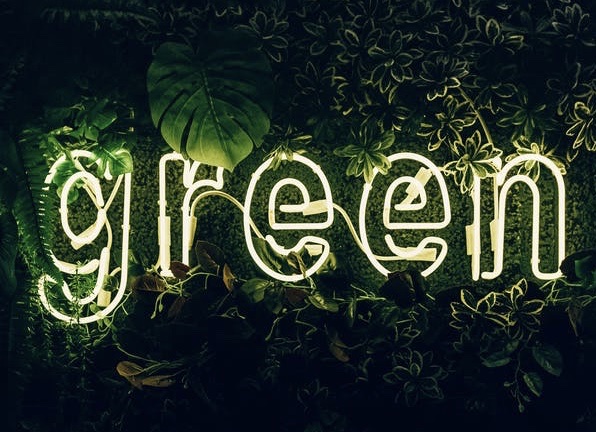
Now to cut to the chase because I have a sneaking suspicion that if the blog entry title and picture above weren’t already a giveaway, then you probably know by now from the many clues provided in the preceding paragraphs that I am referring to the activity of filling our indoor living spaces with plants – a past time and interest that has been around for many generations but, which has in the last few years gathered significant momentum the world over to become for many more than a passing pursuit. To witness the wave of indoor plant popularity, look no further than the proliferation of Instagram accounts used by ‘Influencers’ that are dedicated entirely to an interest or sometimes even an obsessive preoccupation with buying, collecting and showcasing plant collections in their homes and in workplaces to counter its sterility. Luckily whether indoor plants are a general passing interest for some or an obsession, the consequences are mostly good.
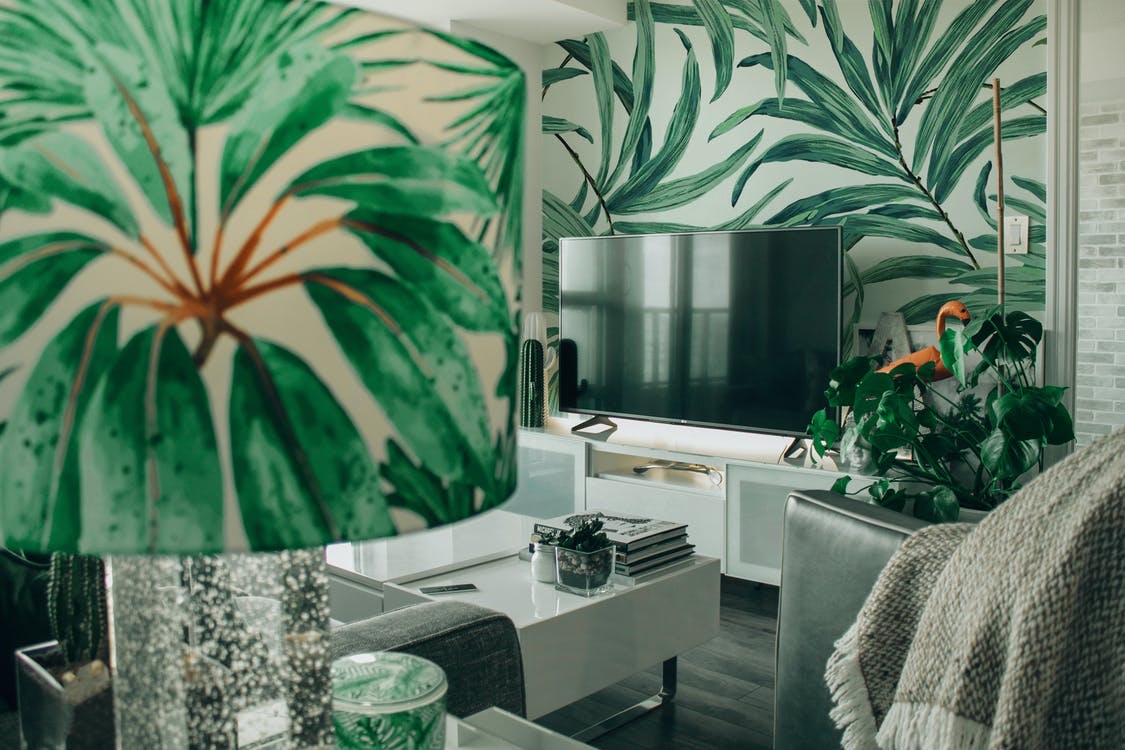
There is much to be said for this movement of decorating our indoor living spaces with plants. Plants in addition to being pleasing to the eye, produce extra oxygen through photosynthesis, purify and remove toxins from the air and thereby have a positive effect on our health and well-being. When introduced into an office setting whether this office is located in our homes or within an office building, it can decrease stress and increase productivity. Bringing the outdoors into our homes, offices or hospitals is a mimicry of the green environment outside these harsh largely concrete, steel and glass man made structures and has the desirable effect of enabling us to feel closer to nature, be less anxious and therefore happier.
‘Shinrin-yoku’ literally interpreted as ‘forest bath’ is a concept first invented in Japan in the 1980s and refers to a Japanese relaxation technique of walking in green spaces such as forests and parks. ‘Shinrin-yoku’ is based on meditation and mindfulness and is linked to Japanese Zen Buddhism and Shintoism. Its full benefit can only be extracted when the five senses of sight, smell, touch, taste and hearing are engaged. Reducing the gap between the outdoors and the indoors by bringing greenery indoors enables us to extract the benefits of the forest bath without even leaving our homes.
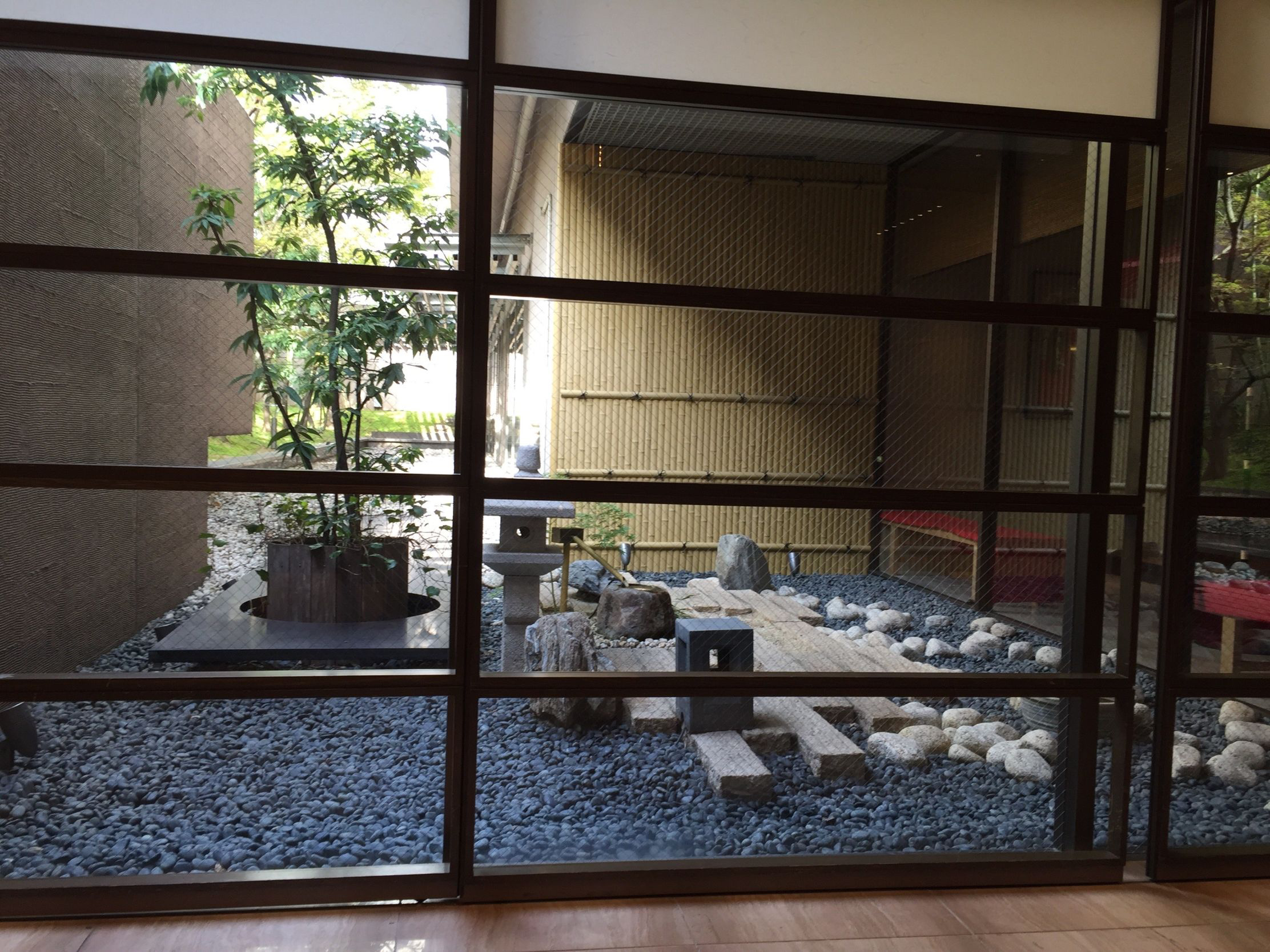
When I visited Japan a few years ago, ‘Shinrin-yoku’ as a practice was very evident with large parks interspersing skyscrapers which I had to crane my neck to see all the way to the top of. Open green spaces appeared integral to every Japanese community I visited. The parks whether large or small had winding paths and places set aside for quiet contemplation and meditation. The gentle rustle of the leaves and the tranquil sounds of flowing water which is central to Japanese gardens all add to the meditative and relaxing experience. These parks are perfect places in which to practice nature therapy – they drown out the distracting sounds of the hustle and bustle of city and suburban life including the din of traffic which is never too far away and in doing so, helps foster wellness.
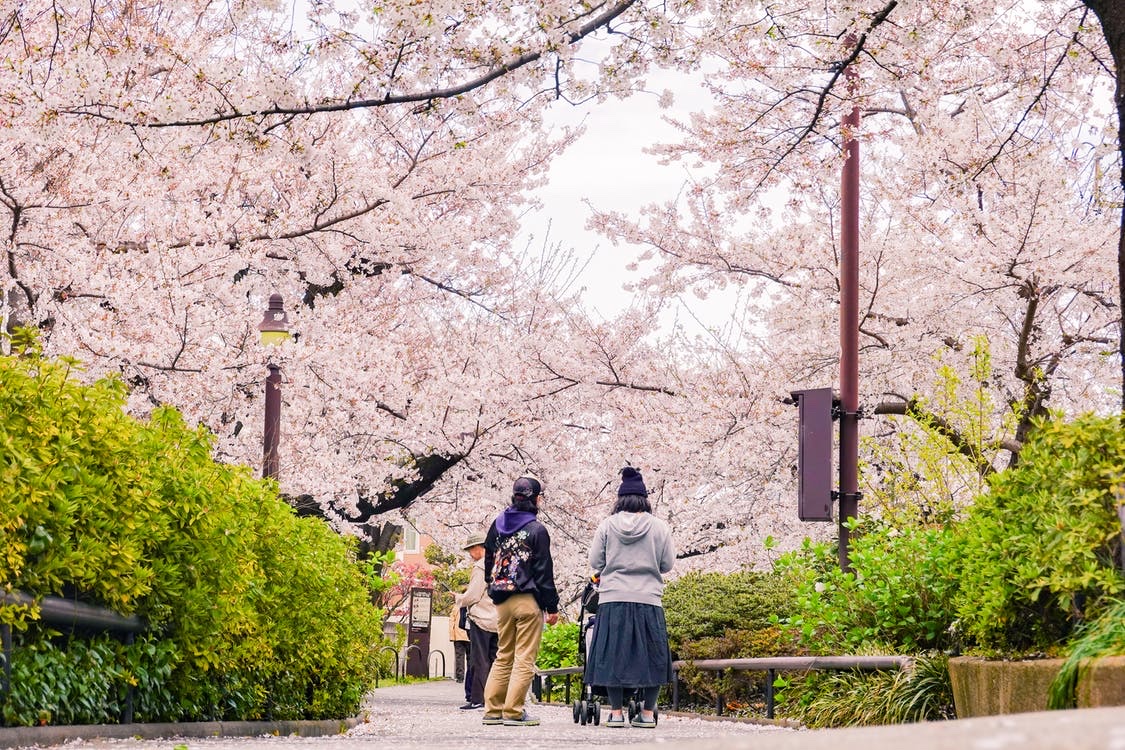
In the same vein as nature therapy is the emerging decor trend of ‘biophilic design’. In investigating this trend, I learned that ‘biophilic design’ is a concept used within the building industry to enable its occupants to have an increased connection to nature directly and indirectly. Directly this would involve including indoor plants such as green walls for example, water bodies such as fountains and ponds and natural light via the inclusion of skylights , shades and glass walls. Indirectly however ‘biophilic design’ extends to enabling occupants to connect to nature in their living and working spaces through shapes, materials and forms that come directly from nature, that have organic origins or at least that mimic materials that are found in nature such as stone, leather, jute, bamboo etc. Shapes such as stepping stone paths that are not perfectly round or square but that are organic in appearance like the current trend of using blue stone to create stepping stone paths are meant to replicate shapes found in nature. Add into the ‘biophilic’ decor mix, ship-lap walls and concrete and stone floors and we start to see the ever shrinking gap between our indoor living spaces and the environs beyond. The word ‘Biophilia’ which literally means ‘love of life’ was used by German born American psychoanalyst Eric Fromm and American biologist E O Wilson in their works and it refers to humans being drawn to environments that reflect the natural world because it supports our health and well-being.
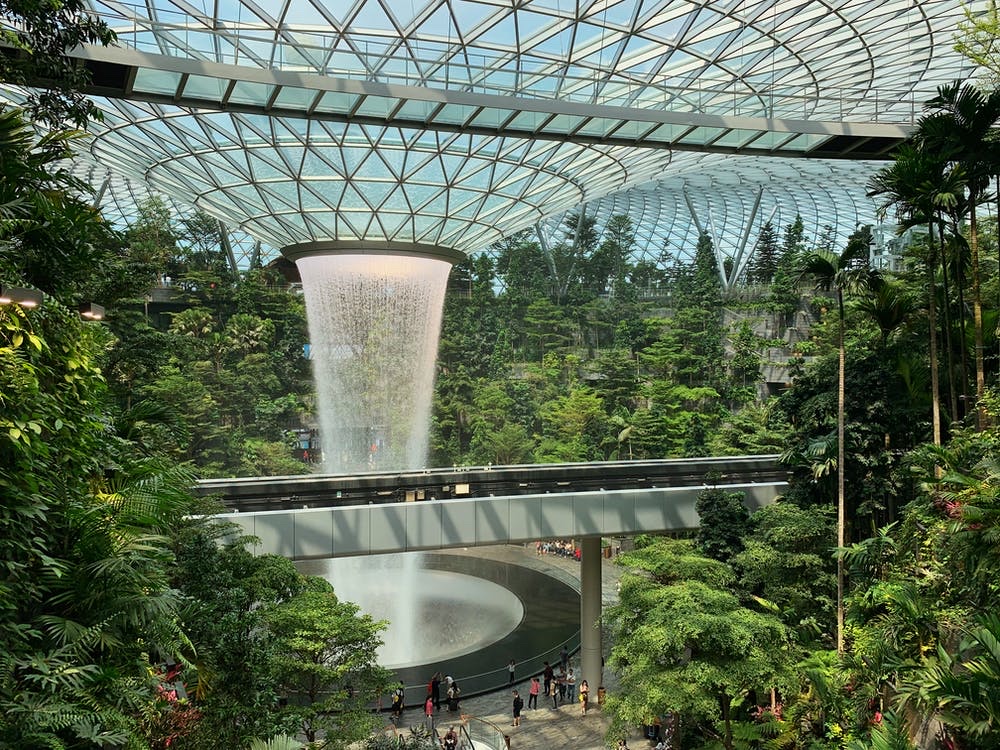
Our propensity towards creating urban jungles echo the concepts of ‘Shinrin-yoku’ and ‘Biophilic design’. Plants have become things to collect with rare plants with premium price tags often selling out in minutes through virtual and physical stores. Plant communities have sprung up in neighborhoods where enthusiasts congregate to share ideas on propagation, plant care and how plants can be used to enhance a home’s decor. This social aspect contributes to healthy vibrant connected communities reducing loneliness, isolation and the anxiety and depression that often comes from feeling disconnected.
If your appetite for creating an urban jungle has been whetted, I would urge you consider looking at the following Instagram accounts to get some amazing indoor plant ideas as well as some tips on growing food in small spaces:
- The Jungalow – @the jungalow
- Joelixjoelix – @joelixjoelix
- House Plant Club – @houseplantclub
- The Balcony Garden – @thebalconygarden
- Succulent City – @succulentcity
- Urban Farmstead – @urbanfarmstead
- Urban Balcony Gardener – @up_on_the_rooftop
‘Skillshare’ have courses that are well worth enrolling in to learn about plant care and propagation – some are free and some are available to premium ‘Skillshare’ members at a cost – https://www.skillshare.com/browse/plants
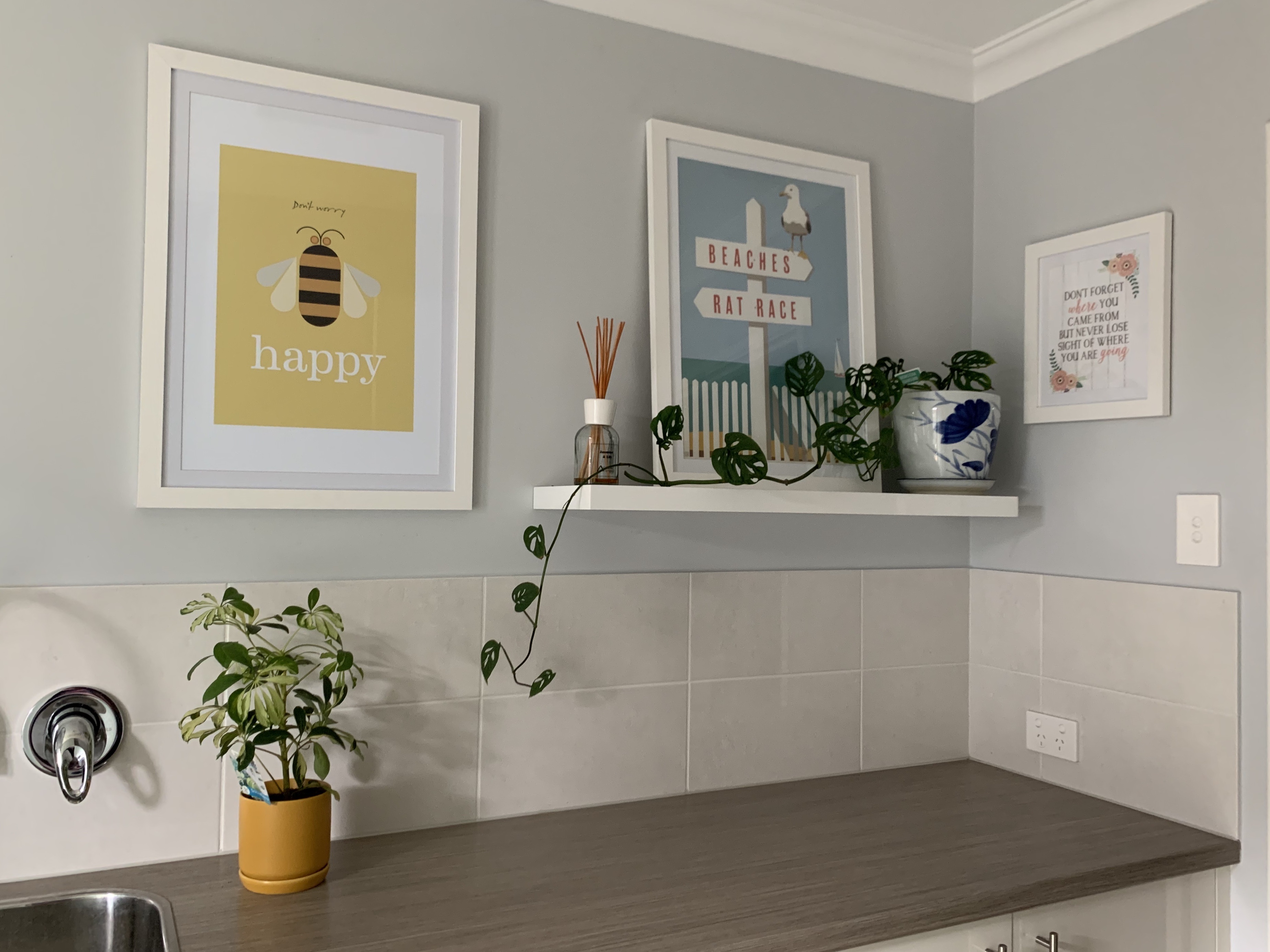
I can vouch for the positive benefits of creating a living space that incorporates plants having been bitten by the indoor plant bug not so long ago. No I don’t talk to my plants like some have curiously claimed to do 😃 but if the word out there is that plants create positive changes in the brain’s electrical activity, muscle tension and heart activity then I would say I agree because I feel a decided sense of well being since I started to acquire and place plants inside my house.
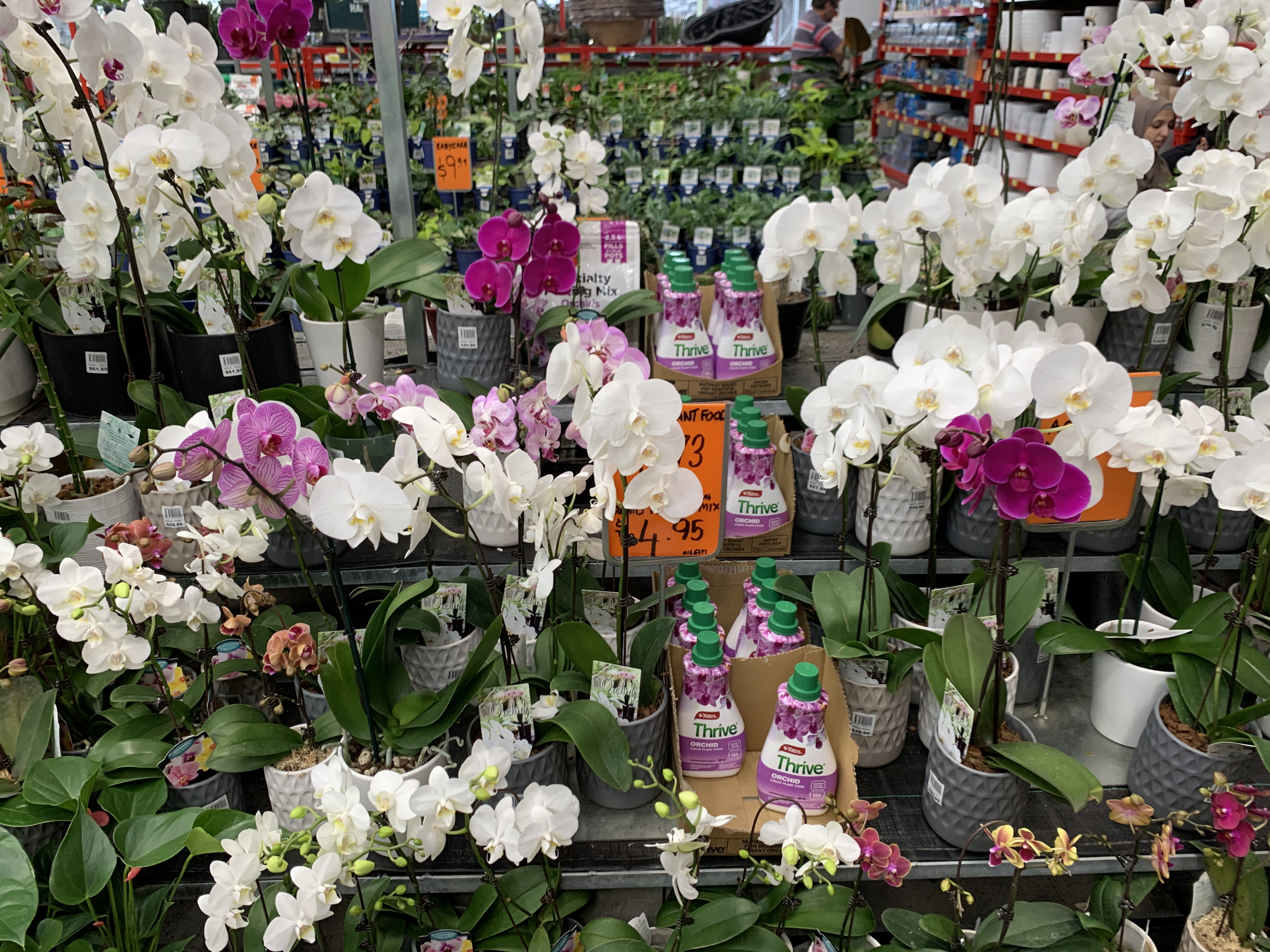
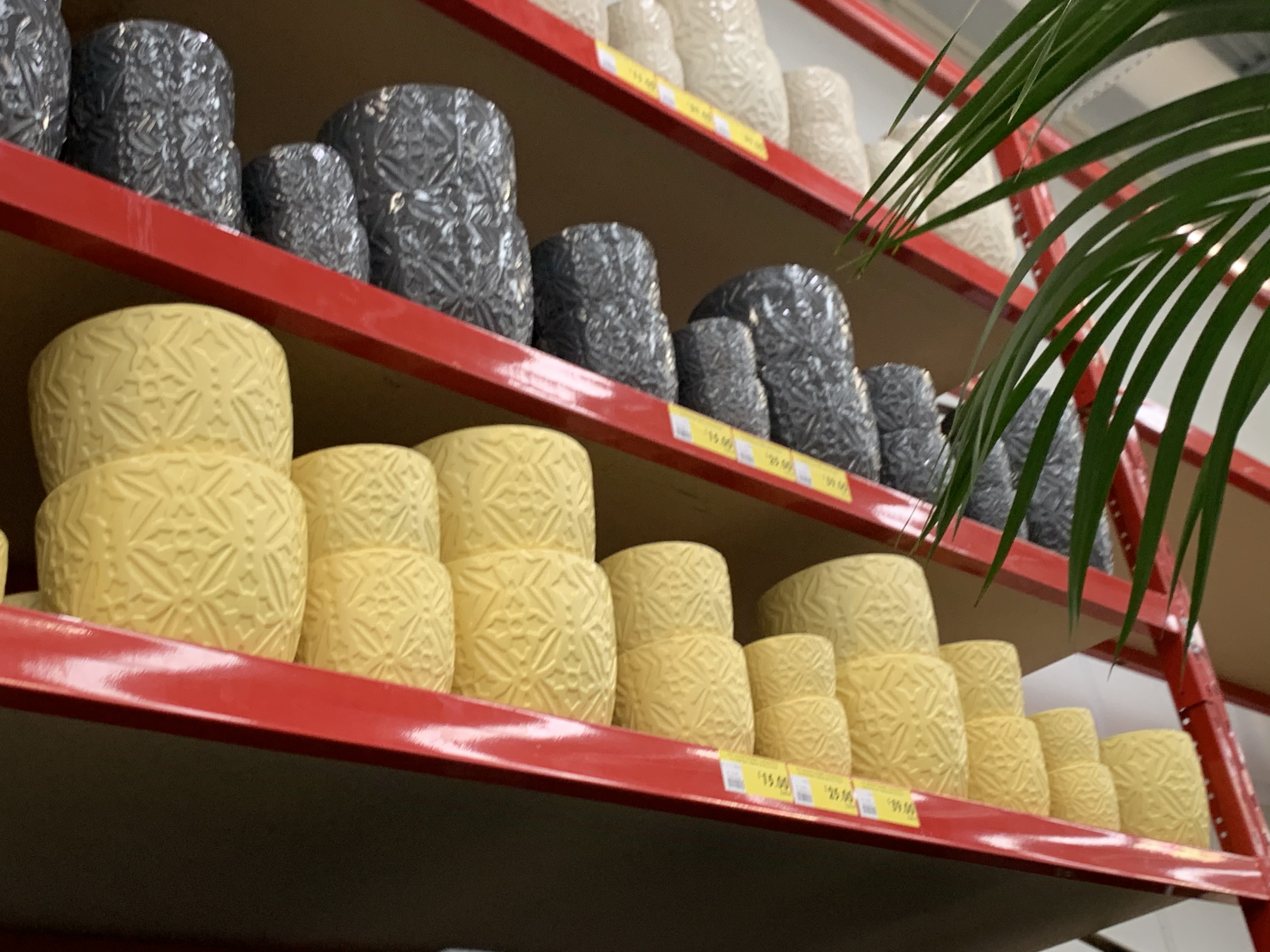
In my quest to keep a good thing going, I made a couple of plant purchases today after trawling through a couple of nurseries which were filled with new indoor plant and pot arrivals that appeared to cater to diverse decor aesthetics. The colors of plants and plant pots ranged from vibrant pink and white orchids to happy sunflower yellow, sky blue and lilac planter pots.
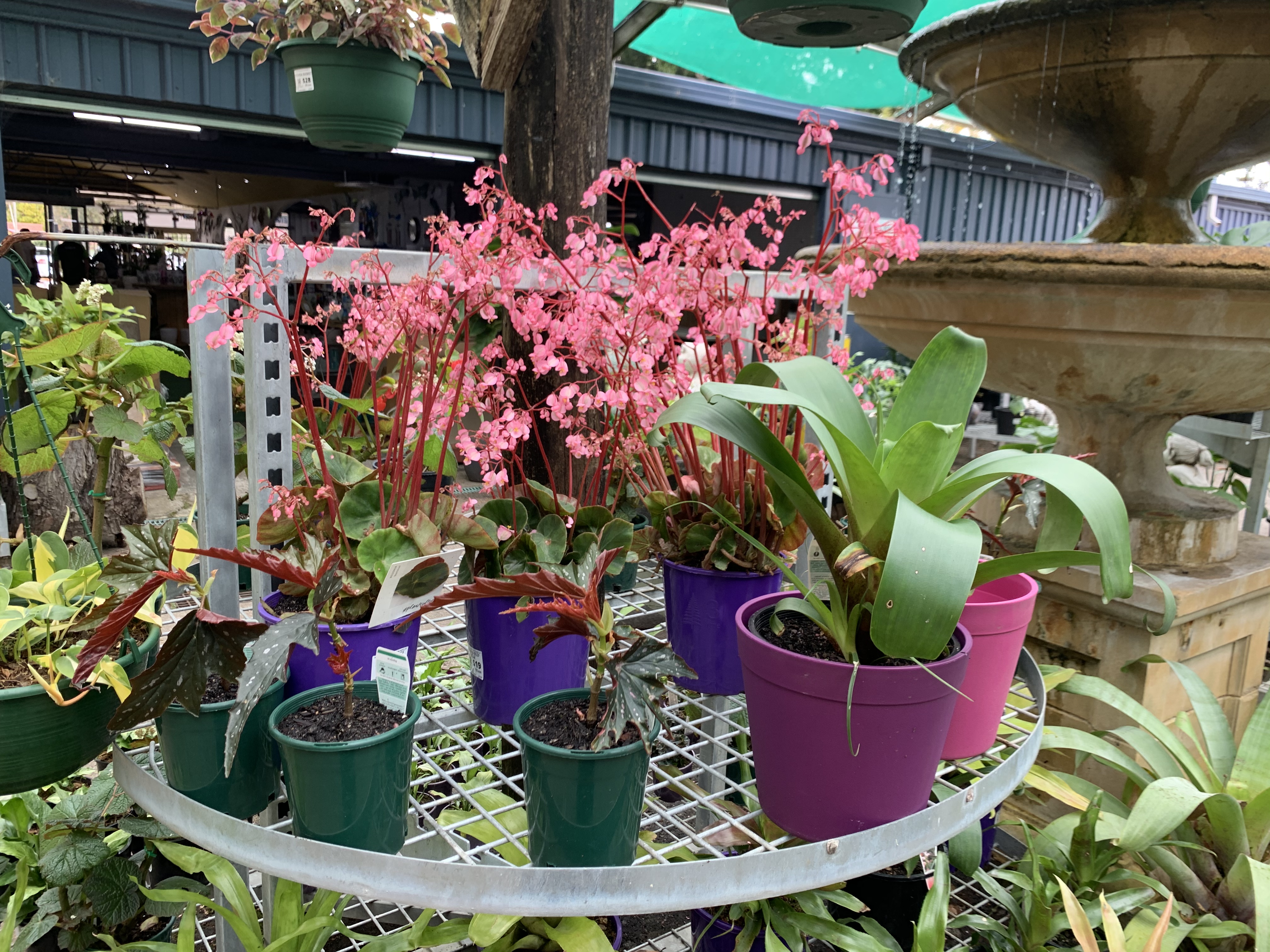
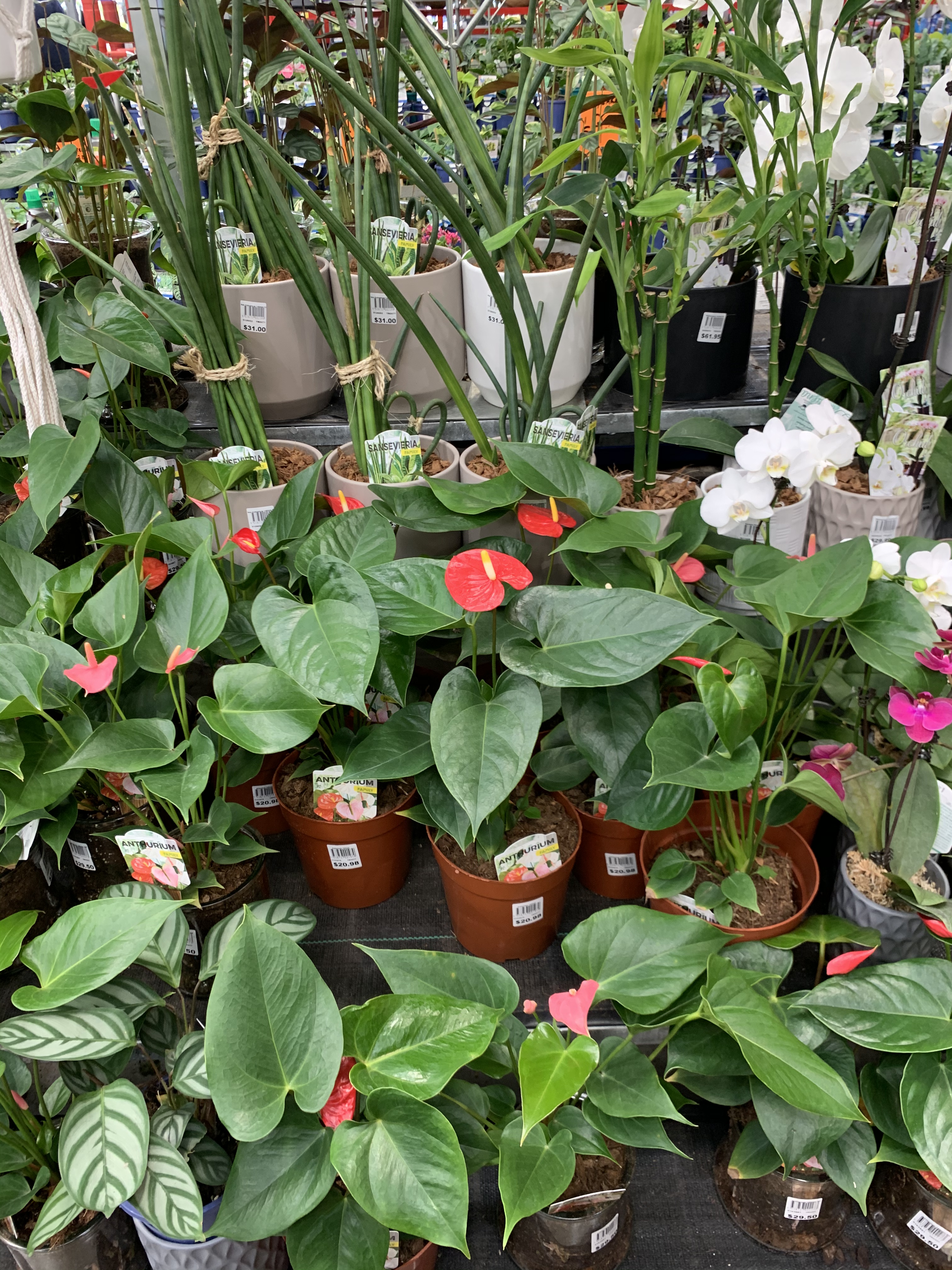
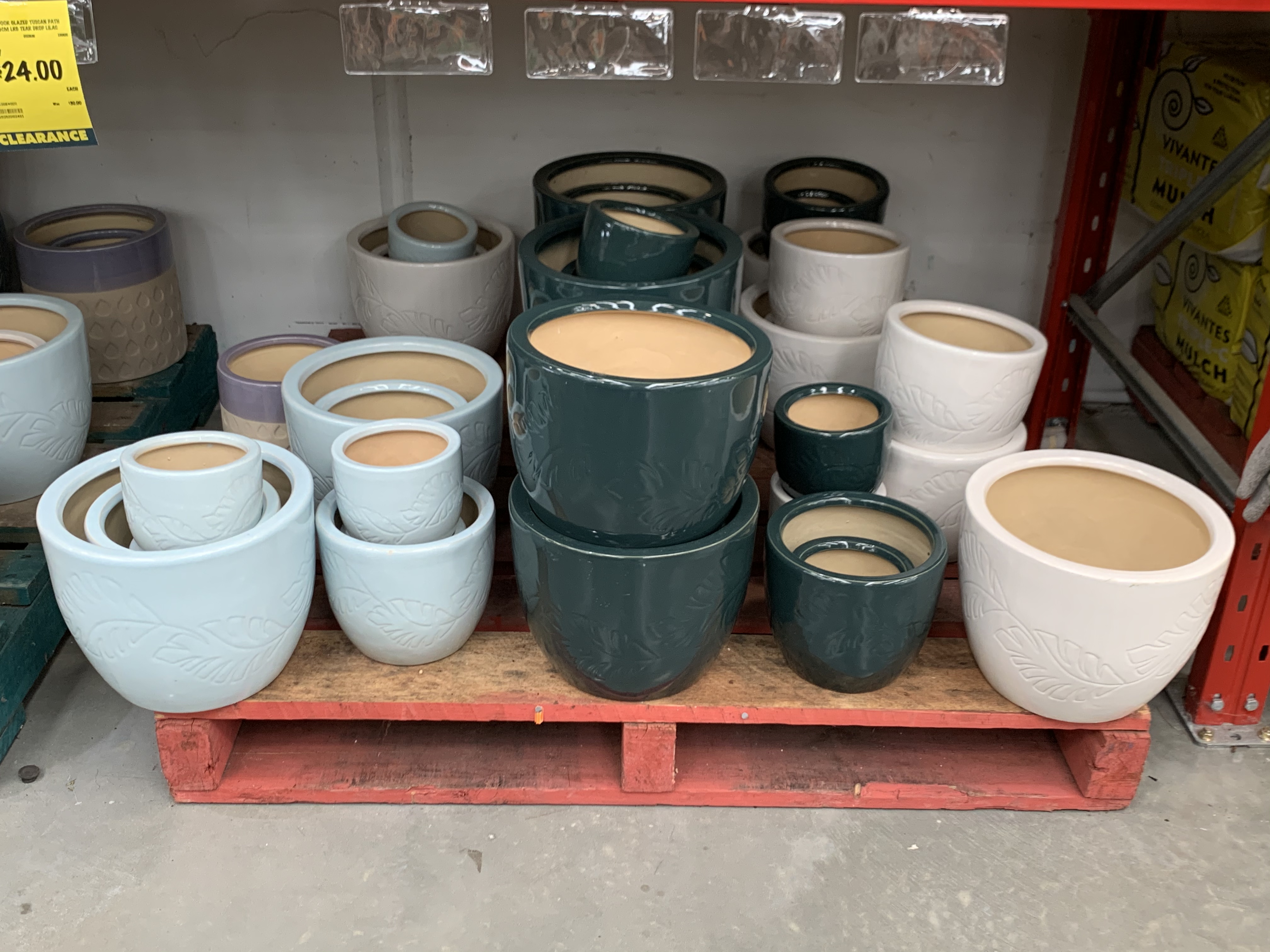
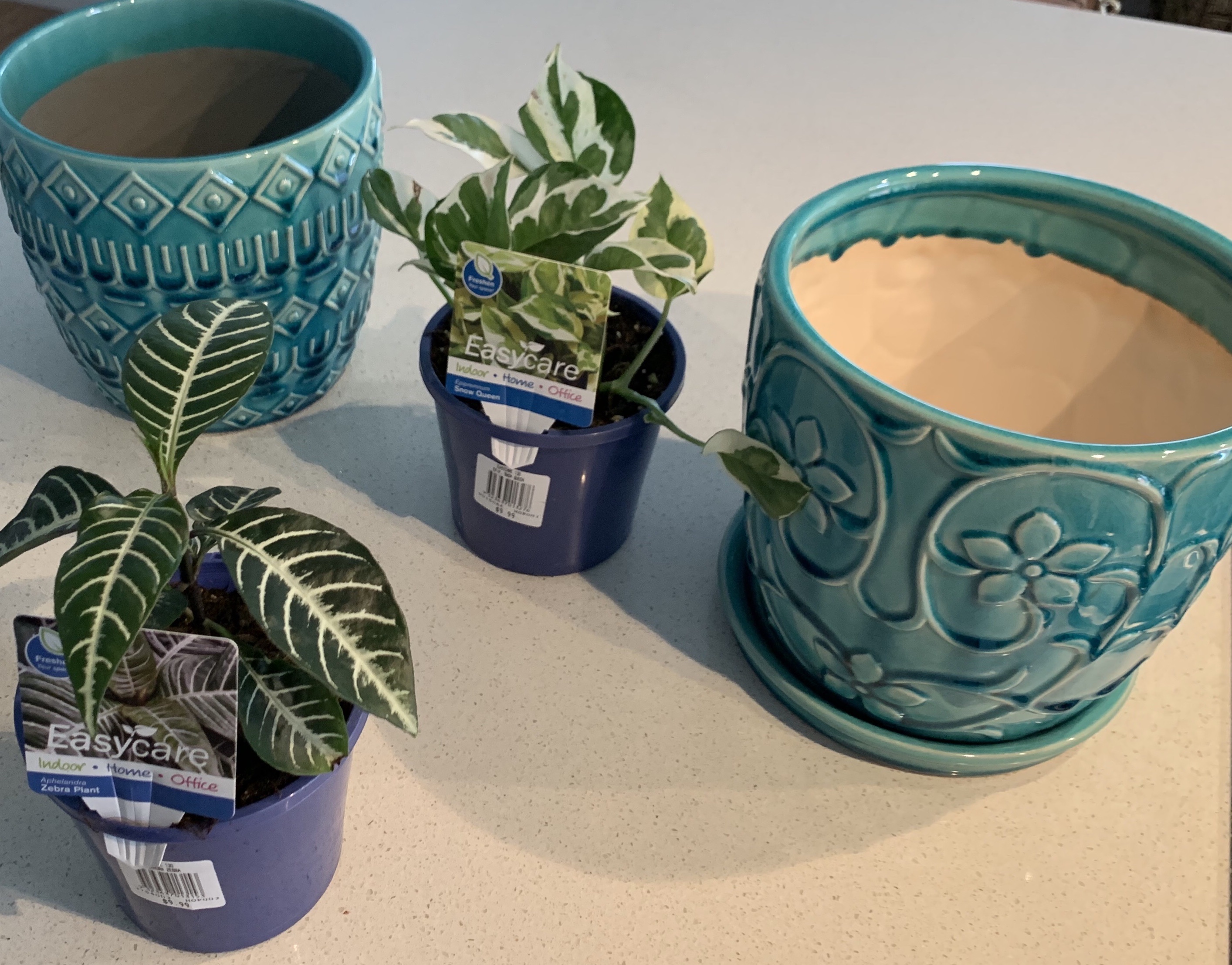
My acquisitions the Zebra Plant and Snow Queen pictured below will soon be potted in their pretty blue pots and I guess I will be extracting wellness from my lovely green friends well into the foreseeable future.



 April’s Musingz
Leave a comment