Whilst many aspire to build and live in mansions on mega sized land blocks, in recent years, there has been a growing movement towards the exact opposite – an attempt to simplify daily life, reduce consumption and live consciously.
Downsizing, simplifying life and criss crossing the country in caravans and other modified mobile homes are no longer the domain of grey nomads or beach bums. High flying executives, entrepreneurs and regular mum and dad families are turning their backs on the constant churn of their professional lives and the unrelenting pace of city life, shedding material possessions, downsizing and hitting the road. Their travels are taking them down obscure roads to charming coastal places and to small quaint country towns that are tucked away out of sight of hoards of tourists and where the pace is decidedly slower. Here there is ample time to ‘stop and smell the roses’ and this ever growing group of individuals, couples and families are capitalizing on the benefits of the simpler life out of the fast lane.
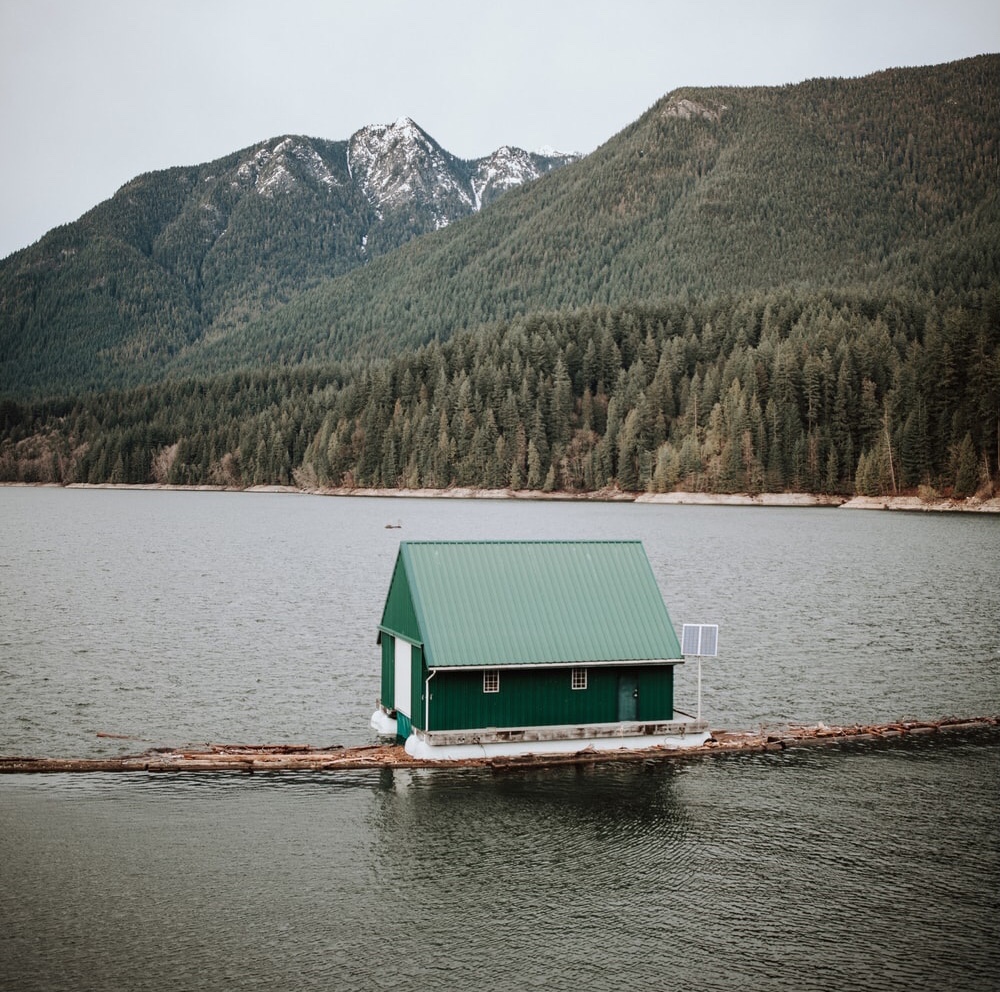
Tiny home living
Living in tiny homes in spaces sometimes smaller than 300 square meters is not for everyone but for those keen to consciously live a downsized life, this is often what the doctor ordered.
Every lifestyle choice comes with its pros and cons and thus is the case for living in tiny spaces. It is wise to be sure about what creature comforts one can and cannot live without before embarking on a lifestyle that is definitely not for the faint hearted.
Most noteworthy of small home living are:
Caravans
Grey nomads are no longer the only demographic hopping into caravans and crisscrossing the country. There is an ever growing community of younger people taking a shine to exploring the gems in their own backyard in a relaxed manner.
Offerings range from the modest in the price range of $25,000 – $30,000 for used caravans upto $150,000 for luxury caravans with all the high end technology and comforts. Small outlay of funds will again buy smaller spaces without an en-suite whilst more money will buy larger roomier spaces. Some notable brands are the American Airstream, Universal, Traveller and JB.
COVID lockdowns has led to a surge in caravanning. Caravan sales have boomed and caravan parks are reporting a big influx of visitors of all demographics getting in on road holidays.
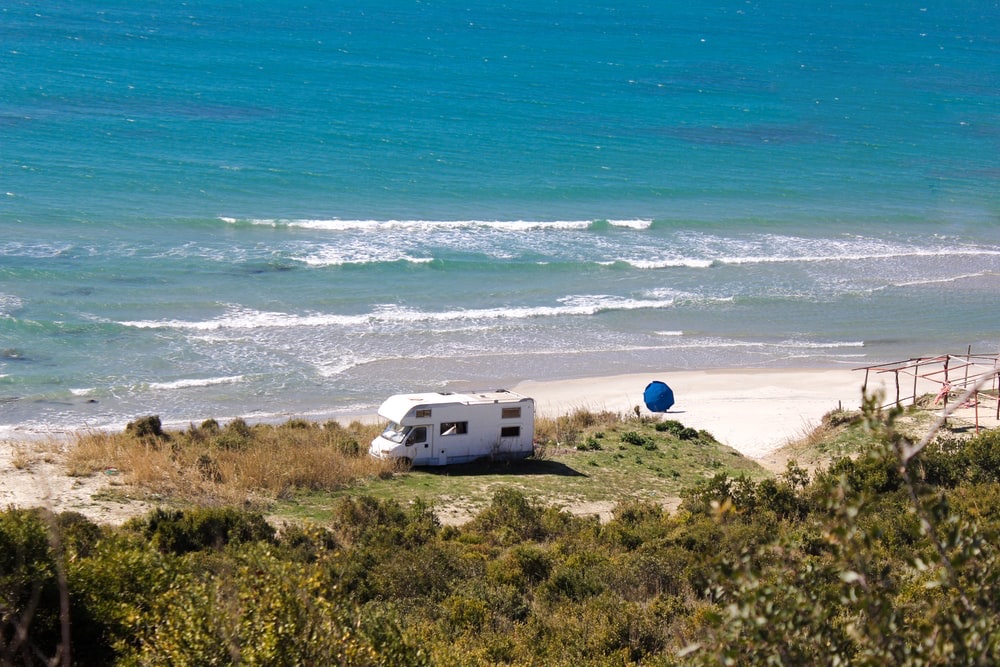
Van life
As with caravans, the iconic combi vans and vans conversions can range in cost from $45,000 to $100,000 plus. Whilst living in a van and fulfilling travelling goals has been promoted as an easygoing lifestyle by influencers, bloggers and vloggers, it needs careful reasearch before committing to it fully.
Something to consider based on ones needs for example is a decent amount of internal lounge or table space. This particularly becomes important if whilst living out of a van, one has the intention to generate income by working online and remotely. A good reliable internet connection and power supply are also needed.
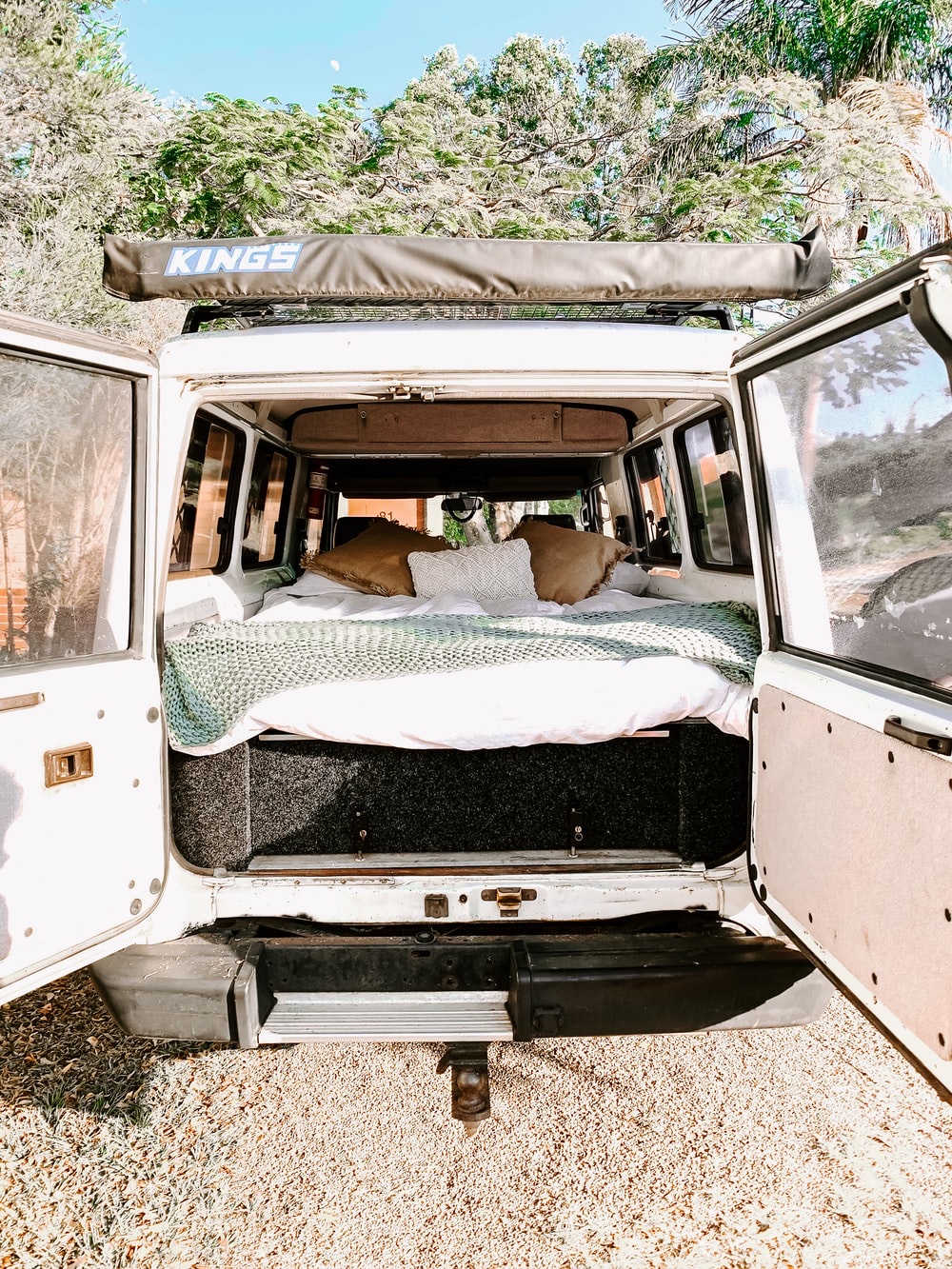
Others have reported having to contend with getting hot and sweaty and navigating mosquitoes and other critters. If the van conversion does not have internal toilet and shower facilities, it means the freedom to park anywhere to enjoy stunning sunsets and sunrises over mountains and oceans is limited to where toilet and shower facilities are available. These inclusions in the van fit out will determine to what extent van life proponents will be able to go off the grid.
One of the biggest pros of living and traveling in a van is it is cheap. Secondly it forces one to consider living with basics. With simplicity comes less worry. Work life balance is more attainable and one gets up close and personal with the most stunning landscapes and has front row seats to nature when it showcases its immense beauty.
Airstream
Anyone remember the Airstream that served as Ben Affleck’s hideout and emergency getaway? Thought I’d include the Airstream scene from the movie as it gives a good sense of how luxurious it’s internal living space can be.
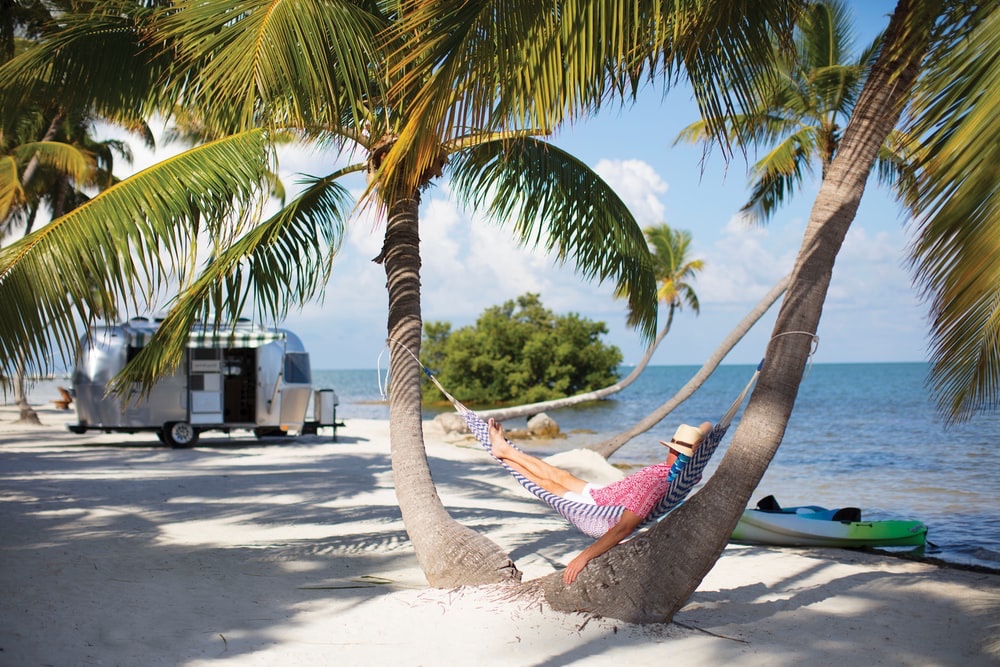
Container homes
And then there’s the container homes where shipping containers are modified into living spaces at reasonable cost. Apart from being an affordable housing option, I find it a great option as it recycles all those millions of shipping containers rescuing them from rusting in salvage and junk yards and giving them a second purpose.
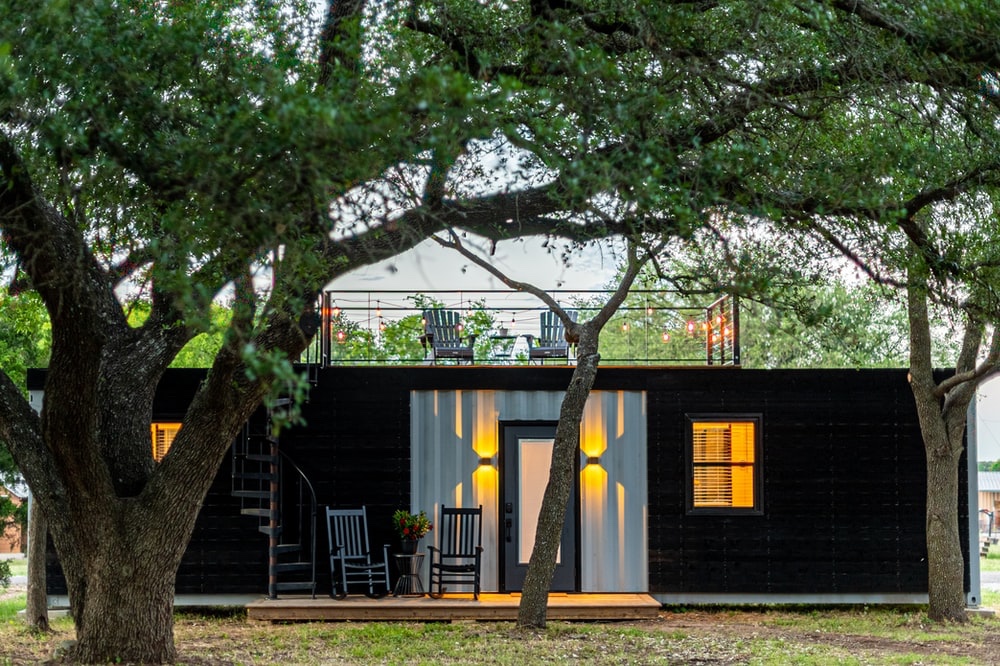
They have also become trendy with buyers and builders drawn to the industrial decorating look who have used them to build homes, extensions to existing properties, commercial offices, emergency commercial accommodation as in the case of ‘Container Mall’ built after the 2011 earthquake in Christchurch N.Z destroyed many of the buildings in the city and of course in building small living spaces whether by choice or out of necessity for those with limited means wanting to break into the housing market.
https://buchangroup.com/insight/case-study-christchurchs-restart-container-mall/
For some inspiration on tiny home living check out the YouTube channels, Instagram accounts and blogs via links below:
https://youtube.com/c/livingbig
https://youtube.com/user/kirstendirksen
https://youtube.com/c/tinyhouselistings
https://instagram.com/livingbiginatinyhouse?utm_medium=copy_link
https://instagram.com/vanlifevirals?utm_medium=copy_link
https://instagram.com/unyoked.co?utm_medium=copy_link
Whilst it is possible to live ‘large’ in small spaces, all things need to be carefully considered before embarking on such a change to lifestyle. The benefits are many, however if it turns out not to be the lifestyle choice for you, have a fallback plan to minimize any disruption to a reversion to your pre-tiny home/van/caravan life adventure.


 April’s Musingz
Leave a comment