Introduction
My fascination with mandalas, even when I didn’t know it, began, when as a child, I was given a kaleidoscope to play with and spent many an hour, mesmerized by the endless patterns it produced. I would be transported to a whole different world through the sheer magic of vibrant never ending colour and pattern combinations. This introduction to the world of exquisite mandalas has had me hooked ever since.
A historical background
Whilst I knew that mandalas, dated back thousands of years, and are widely seen and appreciated, the origin, spiritual and cultural significance of mandalas was lesser known to me and this set me on a course to learn more…and of course, I was pleasantly surprised with what I uncovered.
“Siddhartha Gautama, the founder of Buddhism, was born in the region now known as Nepal. Though there is no confirmed date of his birth, historians believe it to be around 560 B.C. It is understood that Gautama left his kingdom after becoming aware of human suffering, where he sought to attain enlightenment through meditation and thoughtful action. He began to preach his philosophy across parts of India, where he gained devout followers and eventually established the first sangha, Buddhist community of monks.
As these Buddhist monks travelled the Silk Road, an ancient network of trade routes that connected the East and West, they brought Buddhism to other lands. They carried mandalas with them and brought the practice of painting these spiritual compositions to other parts of Asia, appearing in regions such as Tibet, China, and Japan by the 4th century. Though rooted in Buddhism, mandalas soon became present in Hinduism and other religious practices. Painters of the spiritual craft were often pious laymen, who were commissioned by a patron. They worked seated on the floor with a painting propped in their laps or in front of their crossed legs. (Invaluable.com).”
Mandala spirituality
Mandala is Sanskrit for circle. Mandalas can be precise, geometric and exacting in its symmetry or surprisingly free flowing, organic and asymmetrical and they hold spiritual significance particularly in Hindu and Buddhist cultures. The Encyclopedia Britannica states that in Hindu and Buddhist Tantrism, the mandala is a symbolic diagram used in the performance of sacred rites and as an instrument of meditation. The mandala is considered to be a representation of the universe, a sacred area that serves as a vessel for the gods and as a collection point for universal forces.
100mandalas.com, calls mandalas objects of meditation that aid in one’s spiritual development. “The imagery depicts the universe and the symbols represent one’s spiritual journey, the cycles of birth-life-death, and the interconnectedness of all living things. The Hindu tradition focuses on the realization of the self as one with the divine. Whereas in the Buddhist tradition, the emphasis is on the potential for enlightenment (Buddha-nature) and the pictures within the mandalas illustrate the obstacles that one has to overcome in order to cultivate compassion and wisdom. Drawing mandalas in this tradition follows strict rules (100mandalas.com)”.
Mandalas in cultures
Mandalas are everywhere – across various cultures, in nature and mandalas created by oneself.
Mandalas from various cultures include:
- Celtic spirals and knot working
- Christianity – rose windows, rosary, halos
- Chinese Yin and Yang symbol
- Hindu Yantras
- Labyrinths
- Native American – medicine wheel, dream catchers, Native American shields
- Navajo Sand Paintings
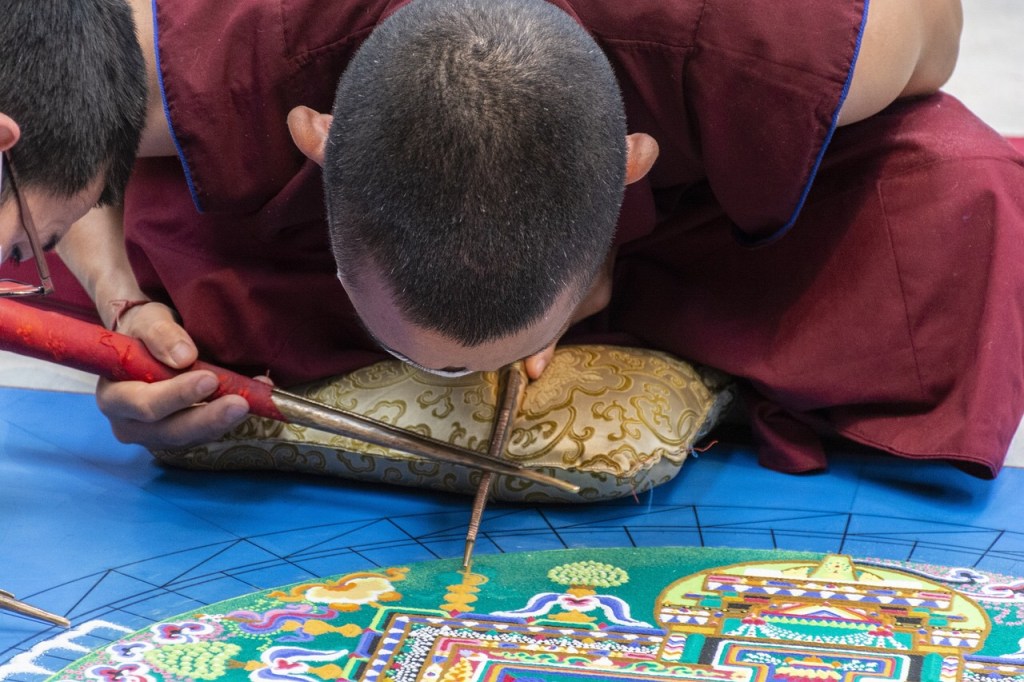
- Tibetan Sand Mandalas
- Calendars follow cycles of time. i.e., Gregorian, Astrological and Mayan calendars.
Mandalas in nature
Mandalas show up in nature and are bewitching. They are present in spider webs, snowflakes, in shells, and in flowers such as dandelions and succulents.
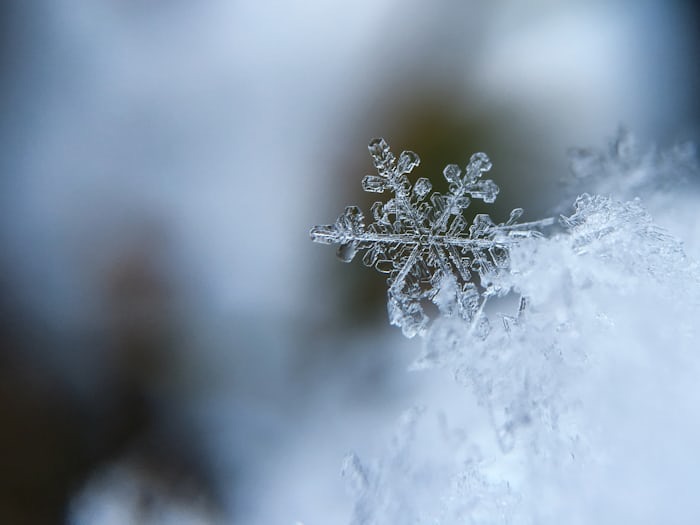
The cyclical patterns of the moon and the seasons are also considered mandalas.
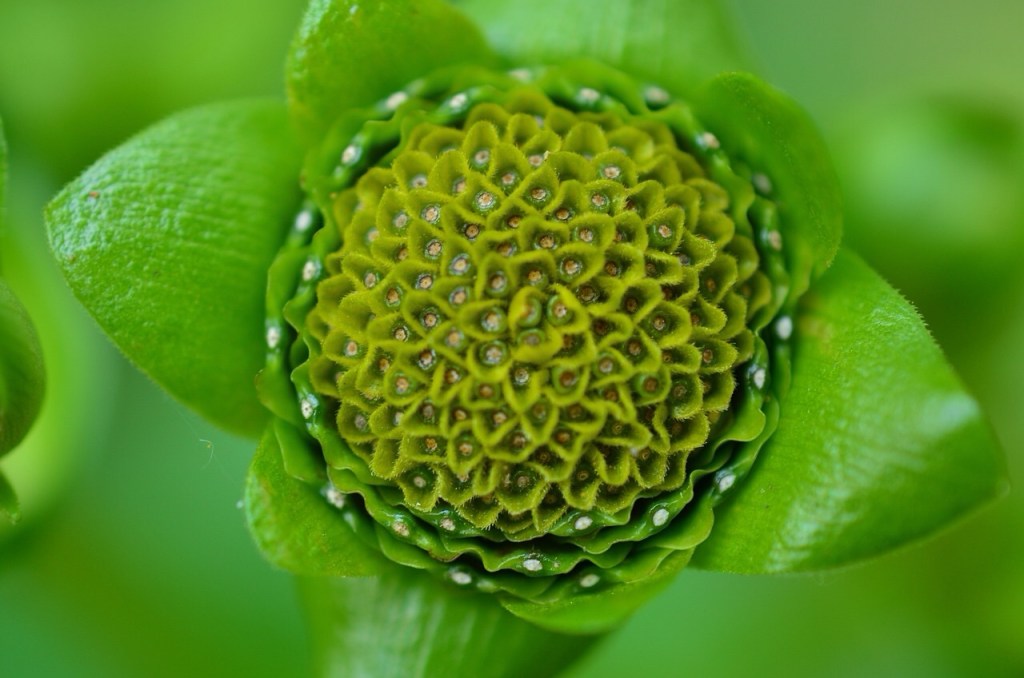
Mandalas in architecture and nature
Our admiration for mandalas is evidenced by the creation of patterns in architecture and horticulture for example in church domes – internal & external, church glass windows, wooden roof patterns, parquetry and formal garden designs.
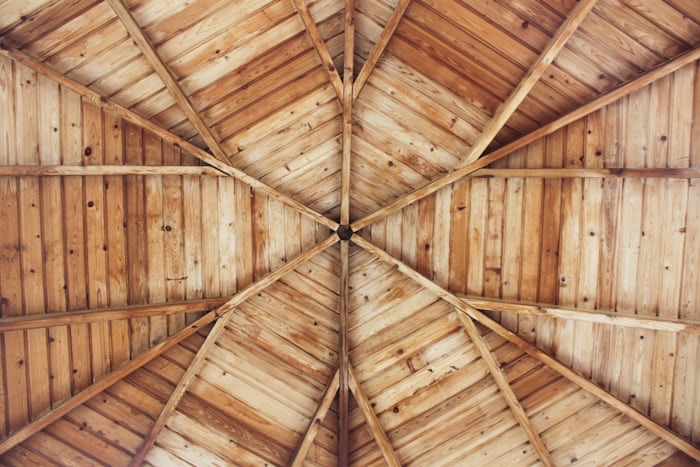
Carl Jung and mandalas
I was fascinated to learn of the work of renowned Swiss psychiatrist Carl Jung in the creation of personal mandalas. Jung “introduced to the West the practice of creating mandalas for self-expression, discovery, and healing. “ In his daily practice of creating mandalas, “he discovered that the shapes, colors, and symbols reflected his mental, emotional, and spiritual well-being at the time that he created them. He noticed how his mandala drawings changed as his mental and emotional states changed. Reflecting on these mandala drawings, Jung concluded that our subconscious and conscious selves are always seeking balance. In Jung’s work with his clients, he would have them draw mandalas. He observed that through creating mandalas, it helped to soothe patients experiencing chaotic psychological states. Jung also identified universal patterns and archetypes that reoccurred in his and his clients’ mandalas.”
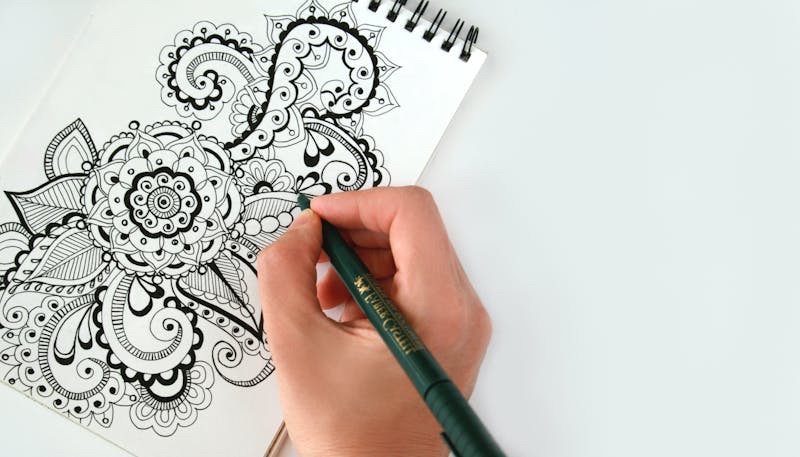
Benefits of creating mandalas
Creating mandalas has shown to:
- Relax the body and mind
- Cultivate the feeling of happiness, inner peace, and general well-being
- Ease stress, anxiety, worry, overwhelm, fear, and depression
- Activate creativity and improves focus
- Enhance self-esteem and self-acceptance
- Foster a sense of connectedness with one’s self and others
- Improve sleep
- It’s fun!
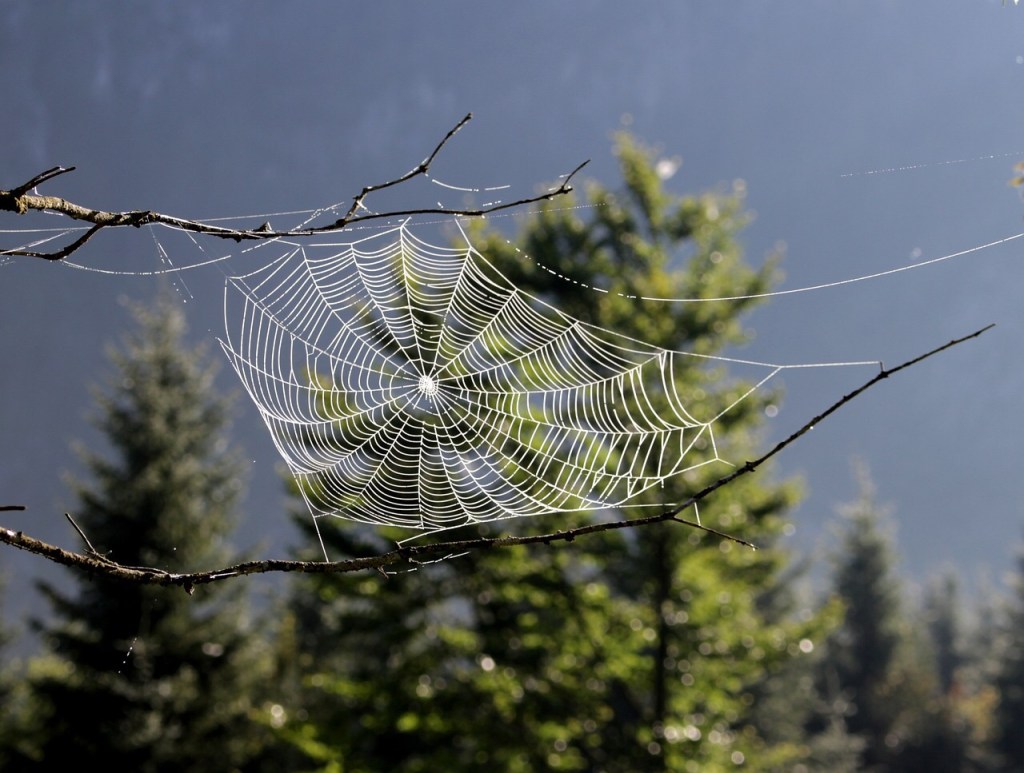
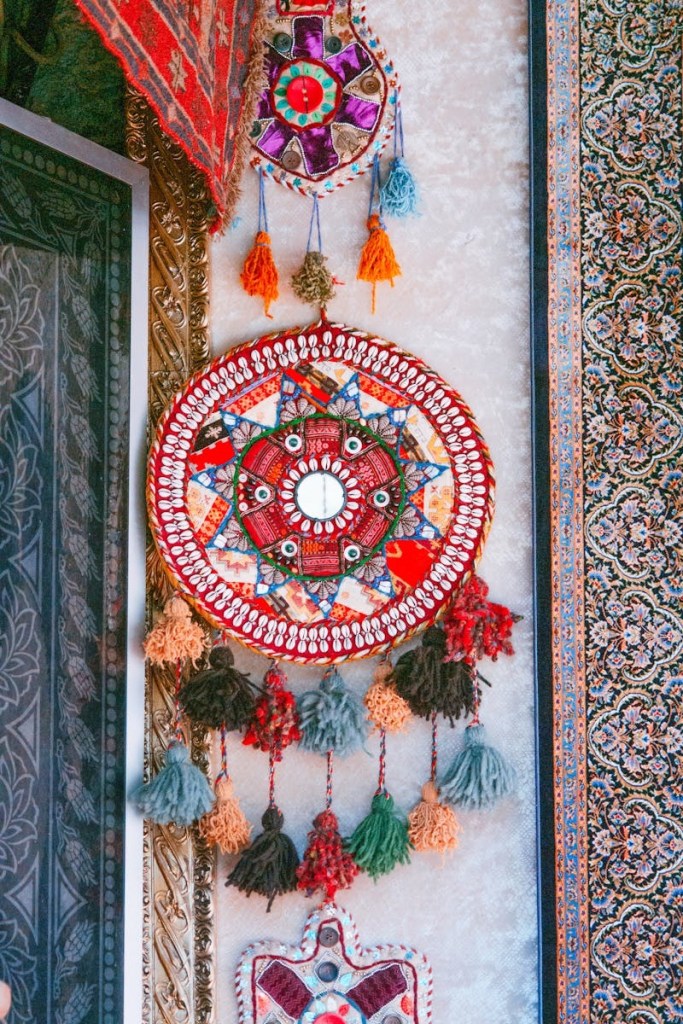
Tribal patterns are also mandala like with symbolism, spiritual significance and concentrated creative energy within its various geometric forms.
My mandala affection
Wow, wow and wow! All this mandala magic has enchanted the ‘mandalaesque’ Nordic patterned socks off me!
I liked them before, but now, I am completely and utterly besotted with their inherent spirituality, mysticism , symbolism, creative energy and connection to mental health and well being.
The mandala whether elaborate or basic, serves beautiful purposes – so of course, I’m now off to try my hand at creating a personal mandala and who knows – if it’s any good when done, I just might share it in a future mandala magic update!
References
The Encyclopedia Britannica
100Mandalas.com
Invaluable.com



 April’s Musingz
Leave a comment